Chad Hooten | Arkansas Farm Bureau
Neither violence nor valuables were motives for picking the lock of a 23-year-old brunette’s hotel room door. The intruder only wanted her notebook.
President Theodore “Teddy” Roosevelt agreed in the summer of 1907 to dispatch Federal Investigator Mary Grace Quackenbos from New York to Lake Village, Arkansas. Leroy Percy, a lawyer, planter and future U.S. Senator from the area, would temporarily assist Quackenbos with an investigation at an area plantation. Not much would come from it, initially, but only because her notebook documenting the treatment of Italian immigrants went missing.
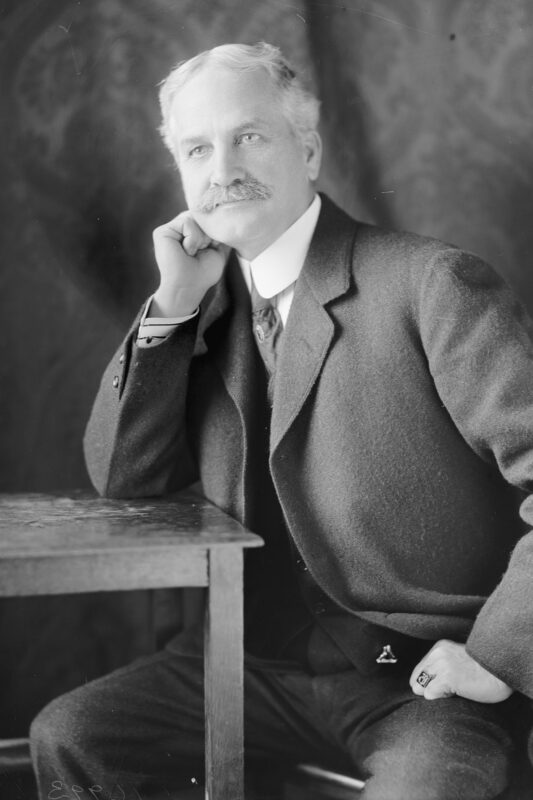
Repeated complaints from the plantation to the Italian Embassy reached the White House alerting Roosevelt’s administration that some of America’s newest citizens were in trouble down in the Delta. It required the President’s due diligence, so he agreed to send Quackenbos south to look around.
Her notebook? It turned up — after some time. But not in Lake Village, nor New York. It was uncovered from a pile of files in 1986 at the National Archives in Washington, D.C.
SEEKING A BETTER LIFE
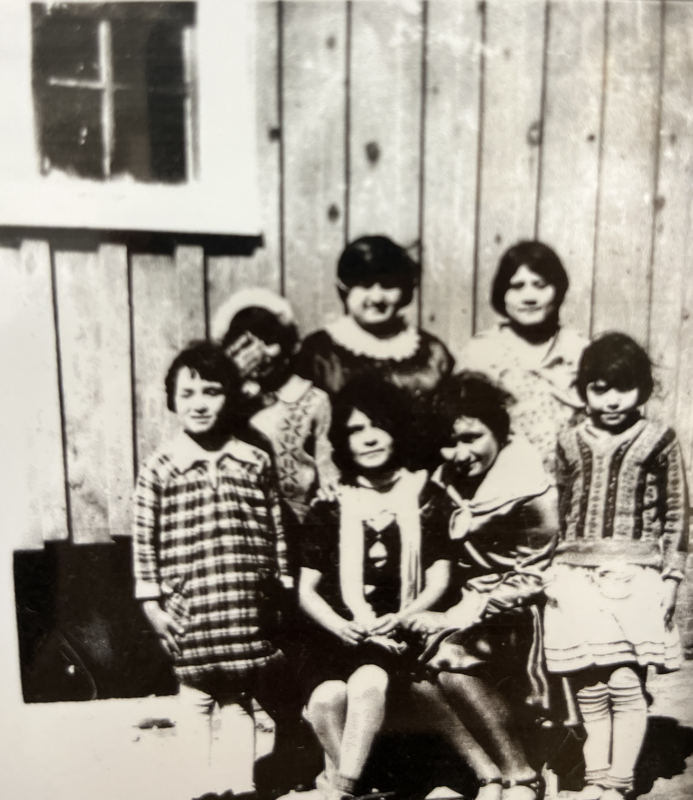
ONE HUNDRED ITALIAN FAMILIES — 562 men, women and children — left their native land Nov. 8, 1895, sailing three weeks on a livestock ship to New Orleans (not Ellis Island, New York, like others later) and then up the Mississippi River by steamboat to their new home, landing Dec. 4, 1895, at Sunnyside Plantation in Chicot County, Arkansas. America’s first Italian colony sits 25 miles north of Louisiana and just southwest of a bend in the river at Greenville, Mississippi. More than 13,000 acres of fertile fields are surrounded on its other borders by a 22-mile crescent of water called Lake Chicot, the largest oxbow lake in North America at 5,000 acres.
Land was limited in Italy, virtually unattainable, so Sunnyside was an alluring dream. Printed promotional fliers circulated in Italy promising paradise in Southeast Arkansas with assurances of land ownership, a pleasant climate, artesian wells and colonial houses. It was described as a “Golden City.”
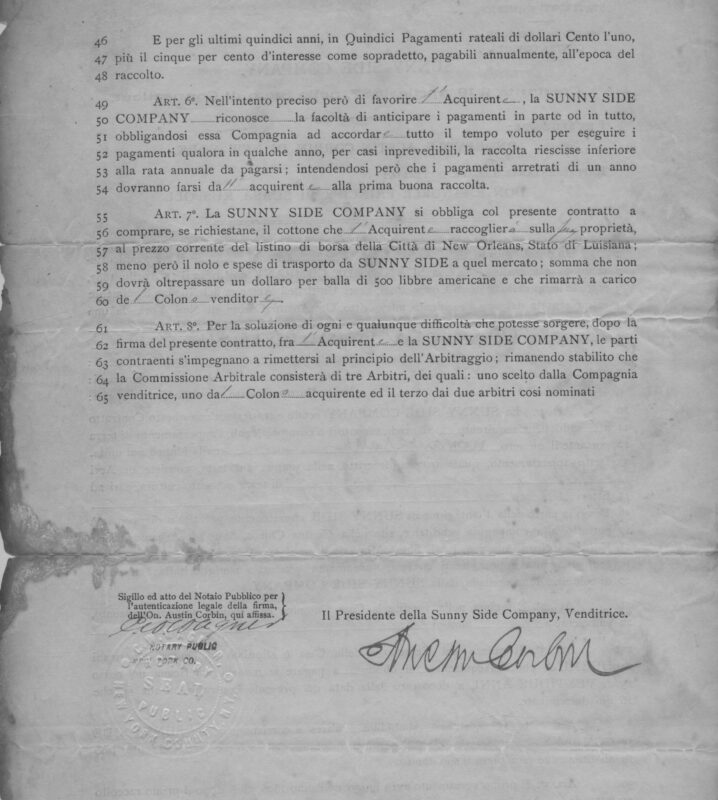
The Italians were anxious, arriving with all their family belongings in one trunk and with signed contracts to eventually own a parcel of land. The agreements required no down payments on 12.5 acres costing $2,000 total ($160 per acre) with 5% interest. It was a 20-year loan to be paid with earnings from working Sunnyside fields for New York tycoon Austin Corbin, who acquired the land not long after the Civil War.
In early December, Lake Village temperatures average a high of 55 and low of 46. So, the immigrants indeed found Sunnyside’s climate pleasant upon arrival. But many wouldn’t be able to weather what was ahead.
SUNNYSIDE’S SHREWD OWNERSHIP
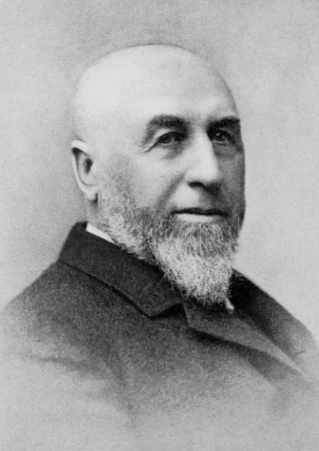
THE LAND HAD ALREADY proven lucrative. In 1840, a planter named Elijah Worthington bought 4,000 acres at Sunnyside and turned it into one of the nation’s premiere plantations. Worthington used his profits over two decades to buy another 8,000 acres. Sunnyside was an economic machine until the Civil War.
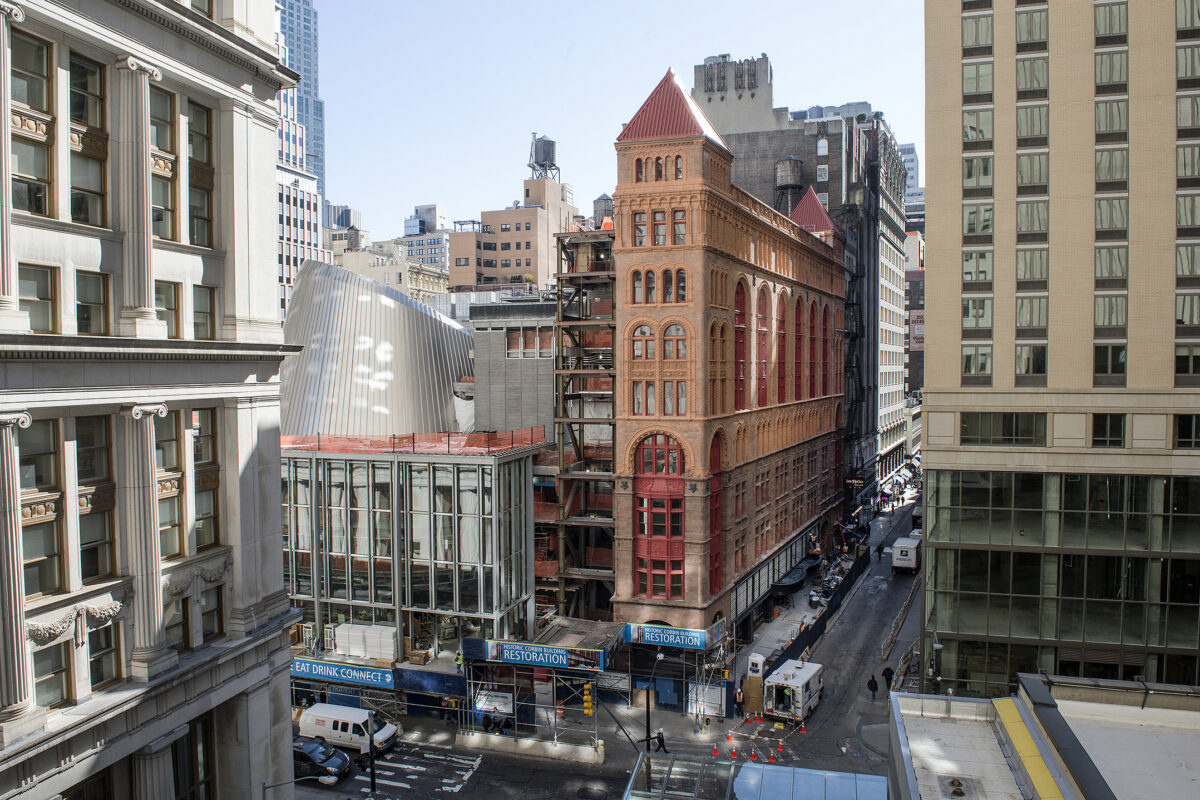
Destroying financial infrastructure was an effective maneuver used by the Union Army. Ten thousand soldiers wiped out Lake Village and a financial default on the plantation (coinciding with the loss of slave labor) eventually landed Sunnyside in Corbin’s hands. Corbin graduated Harvard Law School, owned Long Island Railroad, was a banking giant and creative entrepreneur. A Romanesque Revival-style building named for Corbin still stands in Manhattan’s Financial District and is on the National Register of Historic Places.
Corbin was also a ruthless businessman. He and his cohorts strong-armed the Montaukett Native American tribe in the early 1890s out of almost 10,000 acres in New York. He owned Manhattan Beach, a resort in Brooklyn, which he barred Jews from visiting. Corbin’s plans for profit at Sunnyside started by making a deal in 1894 with the state of Arkansas for convict labor, using 150 prisoners to pick cotton. The State of Arkansas would pocket 50% of proceeds. The other half would go to Corbin in New York.
The prisoners proved inefficient, though, and crop yields suffered. Corbin’s agreement with the Arkansas Board of Penitentiary Commissioners ended after one summer.
A NEW WORKFORCE
CORBIN CAME UP WITH a new idea for labor. His niece, Josephine Mary Beers-Curtis from New York, had married Rome mayor Emanuele Ruspoli nine years earlier in Paris. It was the mayor’s third marriage. He was 47; she was 24. Corbin got to know his nephew-in-law and asked him to be his plantation partner. Once arriving in the United States, Ruspoli and his bride traveled by train in October 1894 shortly after the convicts completed harvest at Sunnyside. The mayor was impressed by the fertile-looking fields and a business was born.
Ruspoli would recruit industrious Italians back home to populate Sunnyside as Corbin came up with contracts and financials from New York. The duo worked fast. Corbin purchased Sunnyside on Dec. 1, 1894, and with Ruspoli’s help, the Italians landed in Lake Village 368 days later. The settlers had 20 years to pay off the 12.5 acres and it would be theirs.
If the Italians had known land in the region was going for $25 per acre instead of the $160 ($259.70 with interest) they were paying, they might have been better prepared for what was ahead.
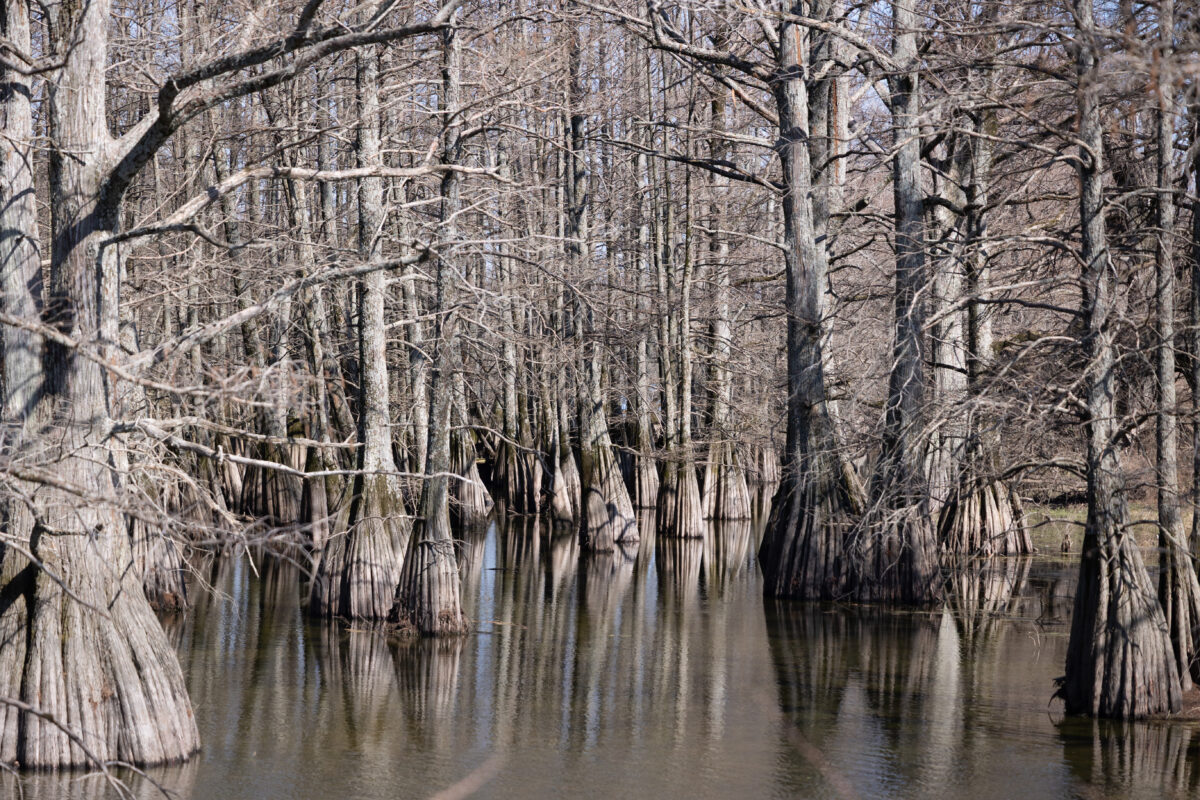
There were neither artesian wells nor colonial homes when they arrived, only unsanitary Mississippi River backwater, shotgun shacks and unhealthy living conditions. Spring brought warmer weather, increasing humidity and monster mosquitoes. More than 125 immigrants died the first summer, most from malaria.
Despite desperate conditions and language barriers, the Italians learned to grow cotton. Good yields were needed to make their annual land payments. If the harvest, regardless of weather or other uncontrollable circumstances, didn’t earn enough to make their land payment, the debt would carry over to the following year or whenever there was a more bountiful harvest. They were also charged a flat rate of interest for the entire year, rather than the loan being prorated from when they had incurred the debt — a violation of state usury laws today.
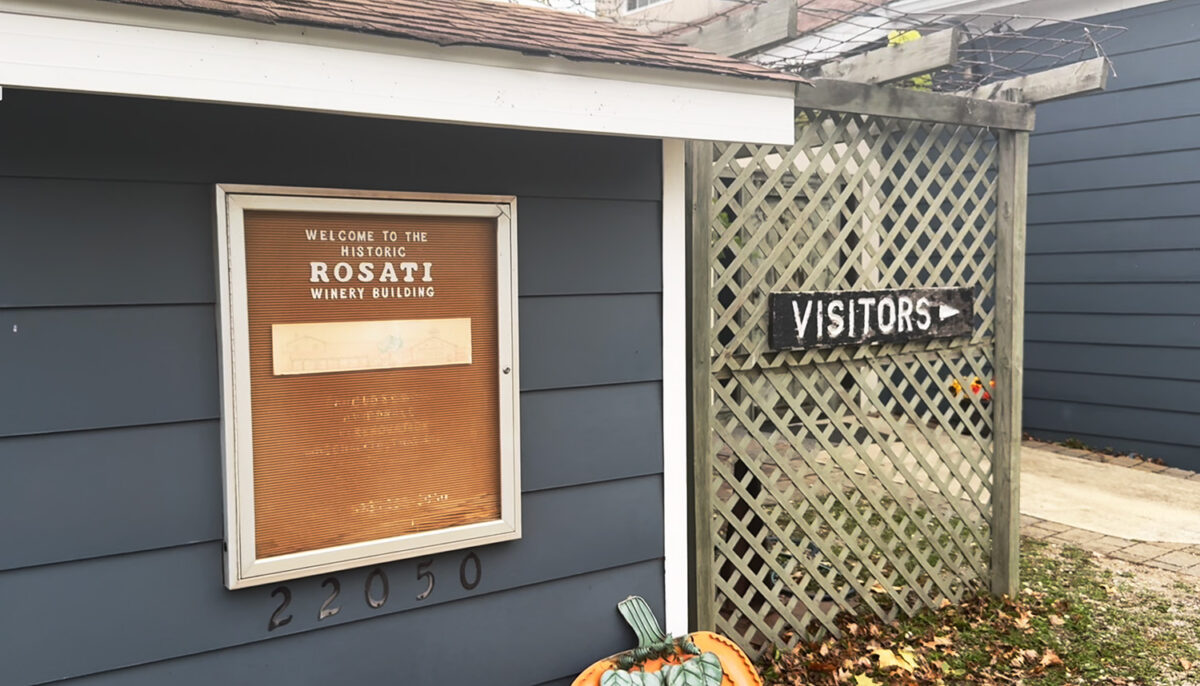
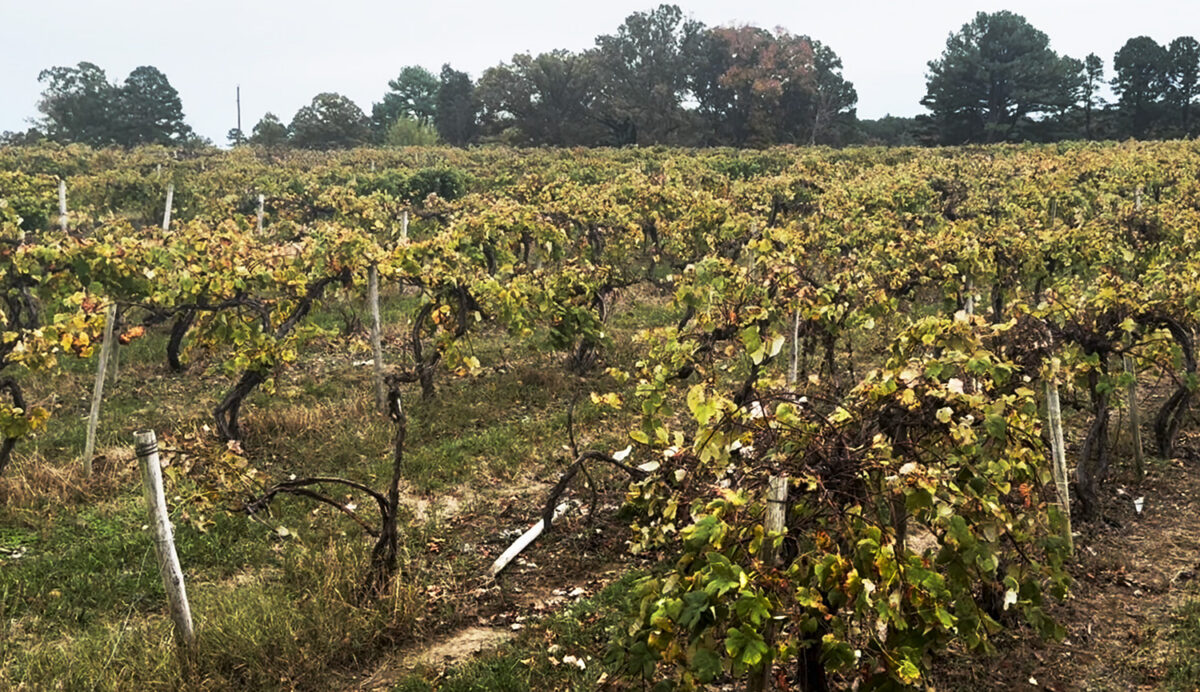
Many would soon migrate north to Tontitown, Arkansas, and Rosati, Missouri, where they would better learn English and plant a more familiar crop — grapes, in soil similar to their native land. Contracts for 40-acre parcels in Missouri were signed Jan. 1, 1898, on land costing $3 per acre with a $15 down payment. Within two years, businesses began to spring up at Rosati and, in less than a decade, the Italians had built two stores, a canning plant, post office, school, depot and church.
NEW OWNERSHIP CREATES STRIFE
AMONG OTHER THINGS, Sunnyside’s owner was an avid outdoorsman. Corbin built a rail from New York to New Hampshire where he and guests could travel to hunt a 25,000- acre preserve he owned. Corbin’s land and work there are credited with preserving the American bison from extinction.
Corbin, then 68, en route to a fishing hole on June 4, 1896 (exactly six months after the Italians arrived in Arkansas) was thrown violently from a carriage against a stone wall near his country home in New Hampshire and died. His estate wasvalued at $10 million. Sunnyside was left to his son-in-law, George Edgell, but he had no interest in it. He tore up the Italians’ contracts and eventually leased the land to a group of men, including future Senator Leroy Percy of Mississippi.
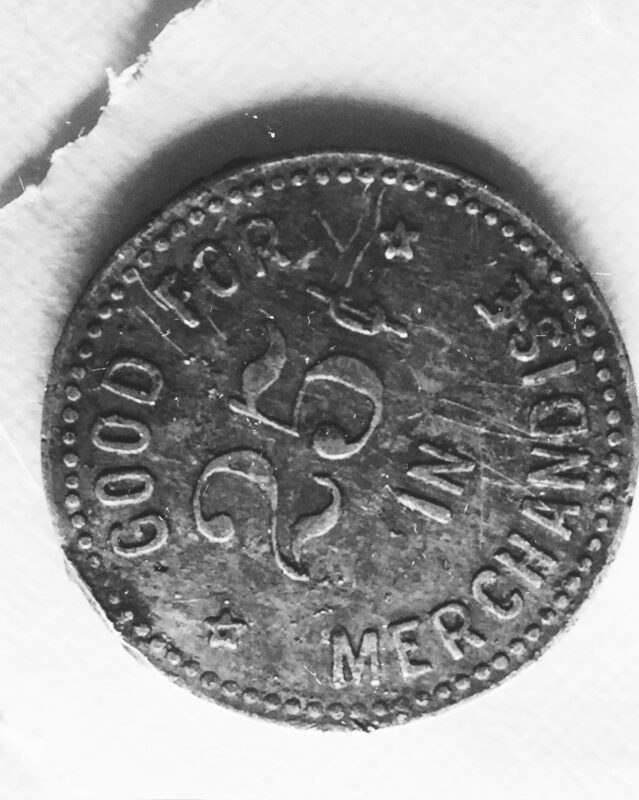
Corbin had approved construction of drainage ditches and other improvements at Sunnyside, but they were canceled upon his death as the new managers imposed new terms. They made tokens to pay the Italian workers rather than federal currency. This would limit them from running north because tokens could only be used for necessities at the “company store,” not for boat fares or wagons. The uncovered notes of investigator Quackenbos documented stories of families leaving because they knew they could never repay their debts before being forced back to Sunnyside with threats of being put on the chain gang.
Italians who remained at Sunnyside suffered greatly. In 1897, 97 died at Sunnyside, including at least a dozen children and 19 infants. Those who remained were soon joined by others unaware of the plantation’s conditions and enticed across the Atlantic with new contracts. Cost of supplies skyrocketed at the “company store.” Doctor’s fees, clothing, rent of mules and more were added to their debt.
Two years later, five Italians were lynched by a mob just 60 miles south of Sunnyside in Tallulah, Louisiana. President William McKinley called it “deplorable” during his State of the Union address on Dec. 5, 1899. All five Italians had ownership in area grocery stores and their murderers were never brought to justice. Whether the hangings were related to undermining the token system at the “company store” or not, it’s certain the tragedy left Italians in the region living in fear.
MRS. SHERLOCK HOLMES AND THE TEDDY BEAR
THE REPEATED COMPLAINTS from 1896-1907 pushed Roosevelt to send investigator Quackenbos to Sunnyside. She started the investigation undercover, spending nights in the immigrants’ shacks and drinking the “red, iron-laden” water, but one of her assistants was apprehended by plantation managers and locally convicted of trespassing. This led Quackenbos to secure a letter from acting Arkansas Gov. Xenophon Pindall to enter the plantation, and she hand delivered it to Percy.
When the future senator received the letter, he was unaware Quackenbos had already been on the plantation or of her assistant’s arrest. So, he was friendly and helpful to the young New York lawyer at first; but a few days later was alarmed by her activities.
“When (she) got involved, Percy got very, very, very prickly,” says historian and academic publisher Randolph Boehm, who found Quakenbos’ notes in 1986. “Increasingly ugly and desperate.”
Turns out, Quackenbos was no rookie but way ahead of her time. Few females worked outside the home in the early 1900s, but she had already investigated labor camps a year earlier in Florida, Alabama and Tennessee and would become well known for exposing rampant peonage (the use of laborers bound in servitude because of debt) in the South. U.S. Attorney General Charles Russell was so impressed with Quackenbos he brought her in the Justice Department as a special assistant U.S. Attorney — the first woman ever assigned to the U.S. attorney’s office. She was later dubbed “Mrs. Sherlock Holmes.”
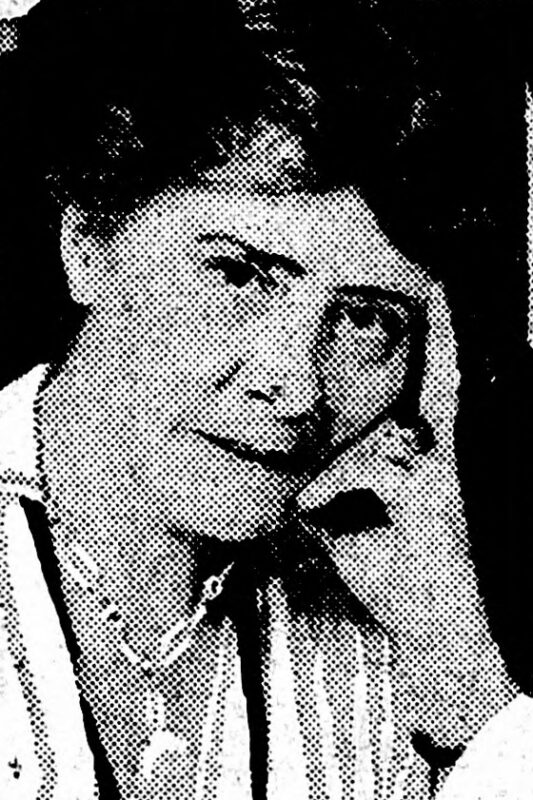
Initially, Quackenbos was unsure of peonage at Sunnyside. There were no signs of physical abuse but a more subtle system of intimidation. She hoped the plantation’s business operations could be reformed and its ownership seemed open to it with the Percys even hosting her for dinner in their home.
It was shortly after this when her legal portfolio — the notebook — inexplicably disappeared. In it, she was building a credible case for peonage. She had interviewed 70 of the 157 families and negotiated 13 contract changes before the burglary of her Greenville, Mississippi hotel room.
Soon after, Percy would make a quick trip to Washington, D.C., to meet his old hunting buddy — Roosevelt. Percy was friends with Louisiana Gov. John Parker and, in November 1902, had gone on a bear hunt with Parker and Roosevelt near Lake Village (This bear hunt is the origin of the teddy bear.) Percy and Roosevelt hit it off on the outing. So, five years later, when Percy couldn’t scare Quakenbos away from Sunnyside, he went to the president.
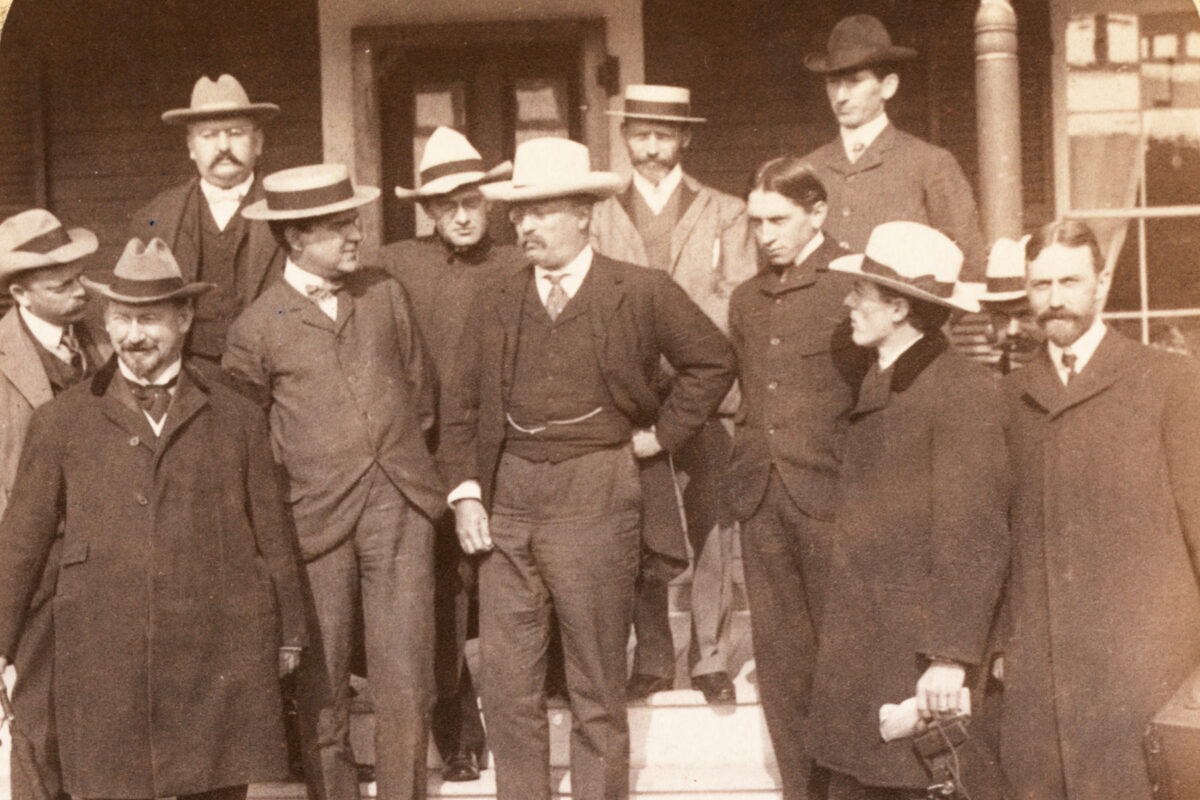
Quackenbos’ indignation was obvious in her reports so Percy would portray her to Roosevelt as a sensitive woman lacking good judgment. He also told the president she lacked knowledge and misunderstood plantation operations. Later, after Percy was elected senator in 1910, he successfully spearheaded a complete ouster of Quackenbos from the case.
RESILIENT AGRICULTURIST
THE NUMBER OF ITALIAN FAMILIES at Sunnyside declined from 160 in 1898 to 128 in 1907 and to about 60 in 1912 before a flood practically wiped out the plantation and it was sold. It wasn’t Quackenbos’ crafty work but an act of God that closed the colony.
A handful of mostly damaged stones remain at Hyner Cemetery on the plantation grounds where many of the earliest immigrants are buried.
It’s unclear why some chose to stay at Sunnyside, but a robust Italian community remains in the area and descendants of the colony can be found in all 50 states. In fact, the Italians of Sunnyside Foundation says more than 1 million Italian Americans have roots in the plantation.
Multiple farmers still work the land, helping make Chicot County an agricultural leader in Arkansas. In 2022, 21,300 acres of cotton and 170,700 acres of soybeans were harvested in the county.
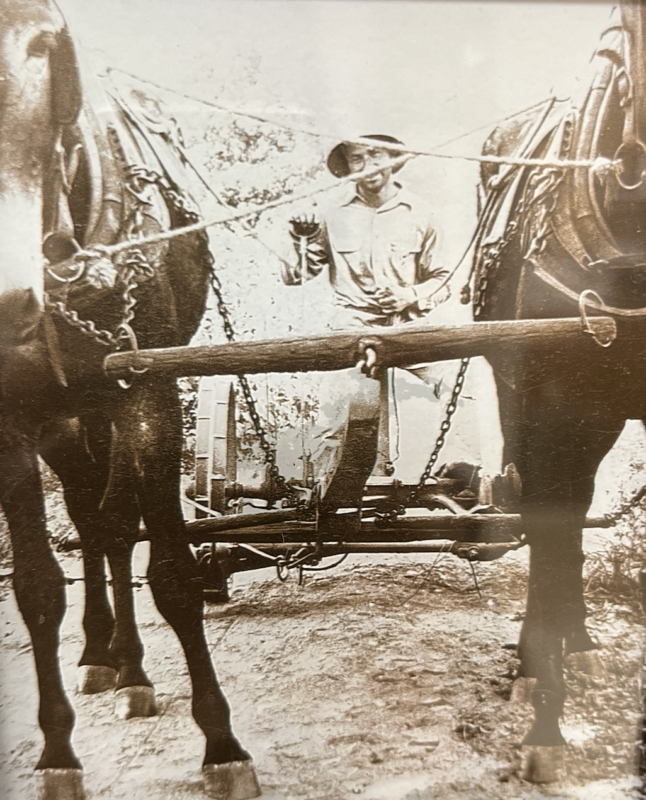
Brothers Ned and Tim Sampolesi, owners of Sampolesi Farm Partnership in Chicot County, started farming together “as soon as we were big enough to hold a hoe” in the 1960s, Tim says. Their great grandfather Vincenzo Brunetti and his family harvested the Italian’s first cotton crop in 1896 at Sunnyside, and the brothers’ business headquarters sits on land their grandfather Nazzaareno Sampolesi bought adjacent to Sunnyside.
“I’m thankful he was able to buy this land because the system was set up against them,” Tim says. “They overcame a lot. It’s a testament to them that we’re still here. Last year we raised rice and soybeans, had a great soybean crop.”
Libby Borgognoni, 90, whose grandmother, Adele Aguzzi, was on the first ship to Arkansas, authored the “Italians of Sunnyside” and has assembled with her son, Anthony, a fascinating museum at Our Lady of the Lake Catholic Church in Lake Village. Borgognoni is proud to be a lifelong resident of the town, and her works contributed greatly to this story and in keeping her people’s remarkable journey preserved.
Borgognoni, a longtime Arkansas Farm Bureau member, dedicated a second edition of her book in 2021 to “the many brave and valiant Italians” who came to Sunnyside. She wrote, “While they did not know the language, customs, trials, or obstacles which lay ahead of them, through courage and perseverance, they firmly held onto their faith, hope, and trust in God; it is He who enabled them to succeed.”